Multi-Tenancy in SaaS: The Architecture Decision That Defines Your Product's Future
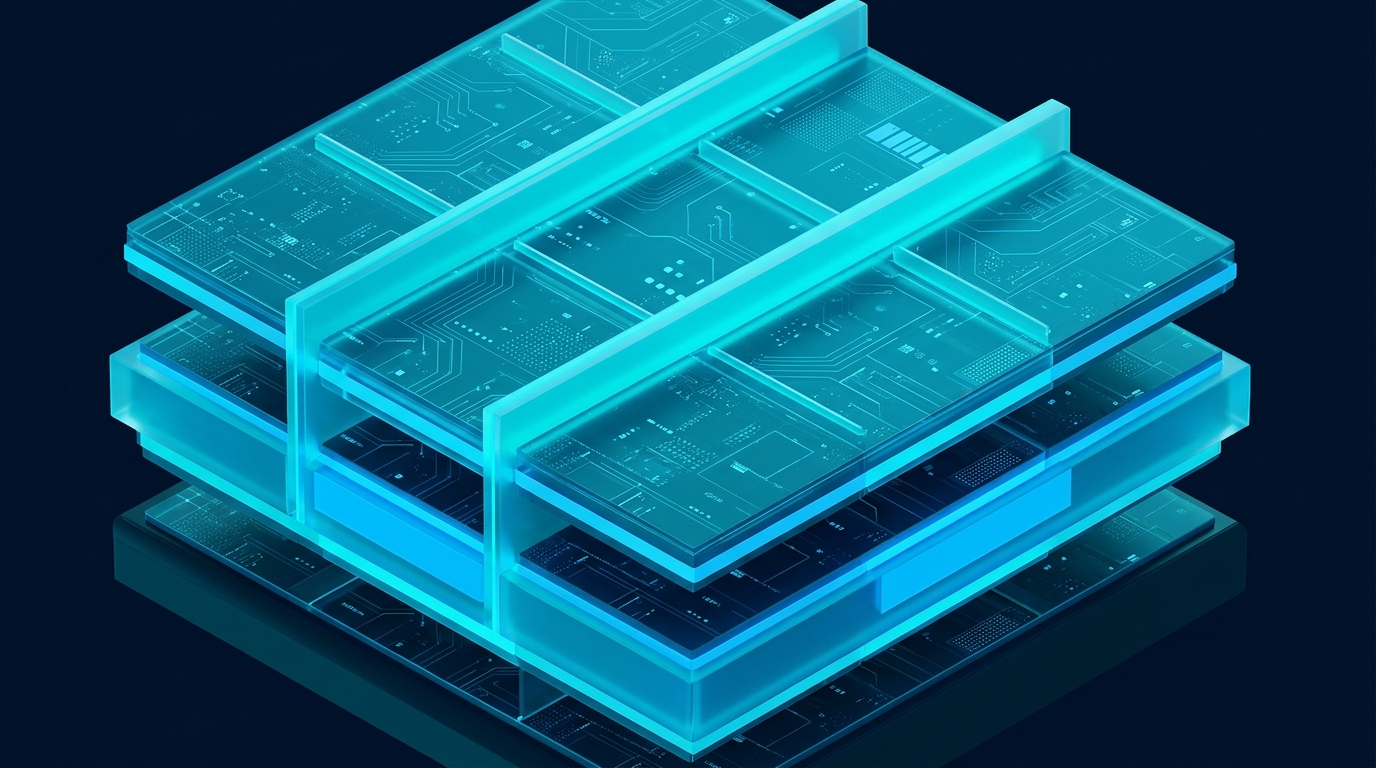
Why Multi-Tenancy Is the Most Important Architectural Decision in SaaS
Multi-tenancy — the ability to serve multiple customers from a single codebase and infrastructure — is what makes SaaS economically viable. Without it, you're building custom software for each customer. With it, every new customer is incremental margin.
But how you implement multi-tenancy shapes everything that comes after it: your data security posture, your performance scaling strategy, your enterprise sales ability, and your infrastructure costs. Getting it wrong in the MVP means a painful refactor — typically 3-6 months of engineering work — at exactly the time when you're trying to grow.
The Three Multi-Tenancy Models
Model 1: Shared Database, Shared Schema
All tenants share the same database and the same tables. A tenant_id column on each table ensures data isolation at the application layer. This is the most common approach for early-stage SaaS and it's the fastest to build.
Pros: Simple to build, cheap to operate (one database instance), easy to query across tenants for analytics.
Cons: Data isolation is enforced by application code — a bug can expose one tenant's data to another. Difficult to comply with data residency requirements (GDPR, HIPAA). Noisy neighbor problem at scale — one large tenant can degrade performance for all others.
Best for: SMB SaaS with no enterprise requirements and low data sensitivity. Good for seed-stage products that need to move fast.
Model 2: Shared Database, Separate Schema
All tenants share the same database instance but each has their own schema (namespace). Data isolation is enforced at the database level.
Pros: Stronger data isolation than shared schema. Easier to backup and restore individual tenants. Can apply tenant-specific customizations at the schema level.
Cons: More complex to manage (schema migrations must run for every tenant). Cross-tenant analytics queries are harder. Still limited by a single database instance's capacity.
Best for: Mid-market SaaS where some tenants have stronger data isolation requirements but you're not yet at enterprise scale.
Model 3: Separate Database per Tenant
Each tenant gets their own database instance. Complete data isolation at the infrastructure level.
Pros: Maximum data isolation — required for some regulated industries. Meets most data residency requirements. Noisy neighbor problem eliminated.
Cons: Most expensive to operate. Complex infrastructure management (database provisioning, migration orchestration). Cross-tenant analytics requires a separate data warehouse strategy.
Best for: Enterprise SaaS with strict compliance requirements (healthcare, financial services, government).
Which Model Should You Choose?
Start by asking: "What does my enterprise ICP require?" If you're targeting SMBs, Model 1 is fine. If you're targeting mid-market, design for Model 2 from the start. If you're targeting regulated industries or enterprise, start with Model 2 and architect for Model 3 migration.
The common mistake is building Model 1 without thinking about Model 2 migration. The migration from shared schema to separate schema is extremely painful — essentially rebuilding your entire data access layer. If you have any reason to believe you'll need stronger isolation in 12-18 months, invest the extra time now.
The Row-Level Security Shortcut
If you're on PostgreSQL and building a shared-schema product, consider implementing Row Level Security (RLS) as an additional data isolation layer. RLS enforces tenant isolation at the database level rather than the application level, dramatically reducing the risk of a tenant_id bug exposing cross-tenant data. It's 2-3 days of additional work in the MVP and provides significant security and peace of mind.
 SaaS MVP Development
 SaaS Product Scaling & Refactoring
 SaaS Integrations & API Development