

SaaS Development
How to Choose a SaaS Development Company in the USA: The Founder's Buyer Guide (NYC, Remote, and Offshore Compared)
·12 min read
Every US SaaS company in 2025 is adding AI features. The vast majority of those features are quietly ignored by users — generic content generators that produce mediocre output, "AI assistants" that don't have access to user data, and chatbots that surface information users could have searched for in three seconds. We build AI features that actually save users meaningful time on tasks they currently do manually — the kind of features users adopt as daily habits and would miss if you took them away.
We've shipped LLM-powered features on GPT-4o, Claude, and Gemini in production for US SaaS clients. We know how to manage inference cost (model-tier routing typically cuts spend 30–50%), how to validate structured outputs before storing them, how to set evaluation pipelines so you catch quality regressions before users do, and how to handle the inevitable model provider outage gracefully.
Single AI feature engagement (8–12 weeks to ship one production feature with monitoring and evaluation), AI strategy and roadmap engagement (4 weeks to identify the 3–5 AI features with the highest expected adoption for your product), or ongoing AI engineering partnership (monthly capacity for continuous AI feature development).
 SaaS MVP Development
 SaaS Product Scaling & Refactoring
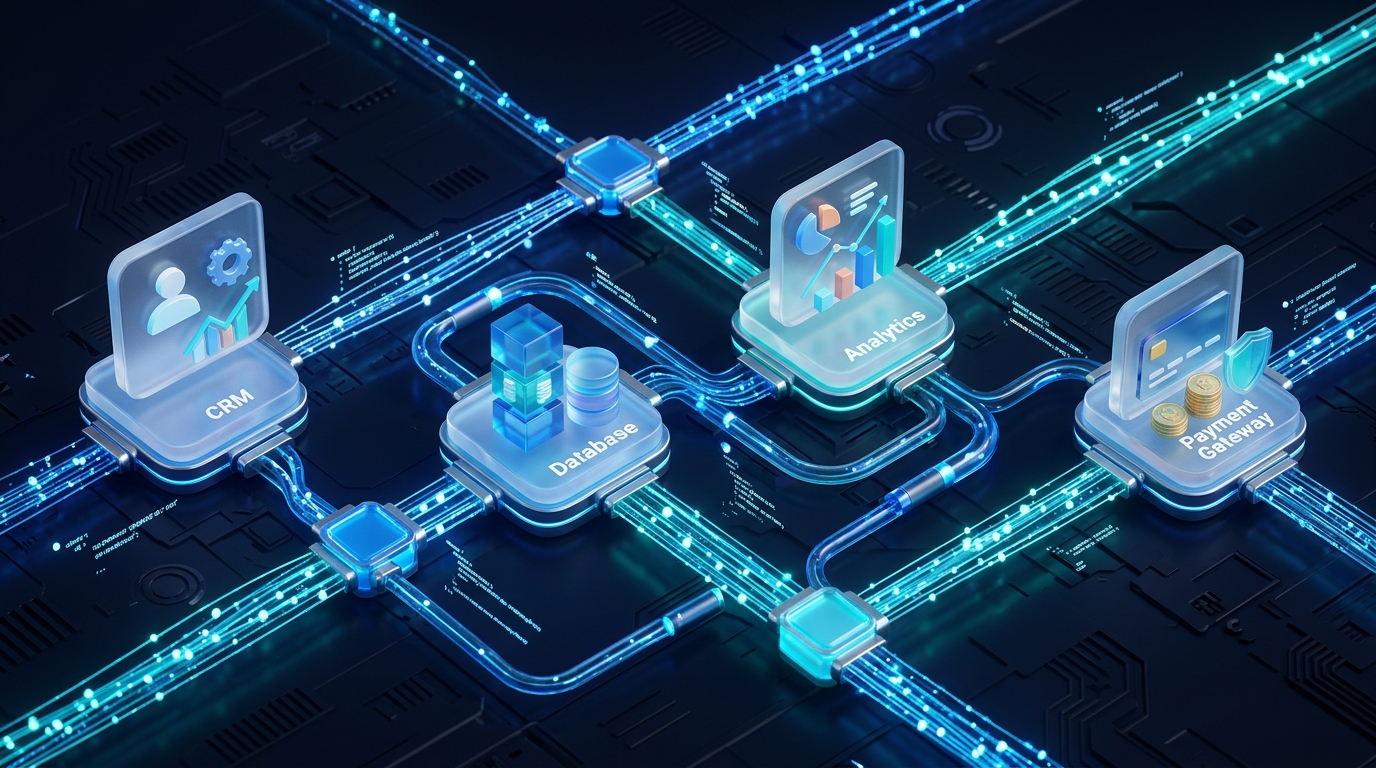 SaaS Integrations & API Development
 SaaS Security & Compliance Engineering
 CTO as a Service